Problems in Bihar
Bihar: A Land of Potential and Challenges
Bihar, one of India's most historic states, sits in the heart of the Gangetic plain. With over 104 million people, it's the third most populous state in India. The state has given birth to two major religions - Buddhism and Jainism - and has been home to ancient centers of learning like Nalanda University.
Despite its rich cultural heritage, Bihar faces significant developmental challenges. The state's per capita income remains among the lowest in India, and various social and economic issues continue to affect millions of people's daily lives. Understanding these problems is crucial for anyone looking to engage with Bihar's economy or contribute to its development.
Problems in Bihar
Poverty and Income Inequality
Bihar struggles with widespread poverty, affecting nearly 34% of its population according to recent estimates. I've personally witnessed families in rural Bihar surviving on less than ₹100 per day. The gap between rich and poor is stark - while some areas in Patna show signs of modern development, vast rural regions lack basic facilities.
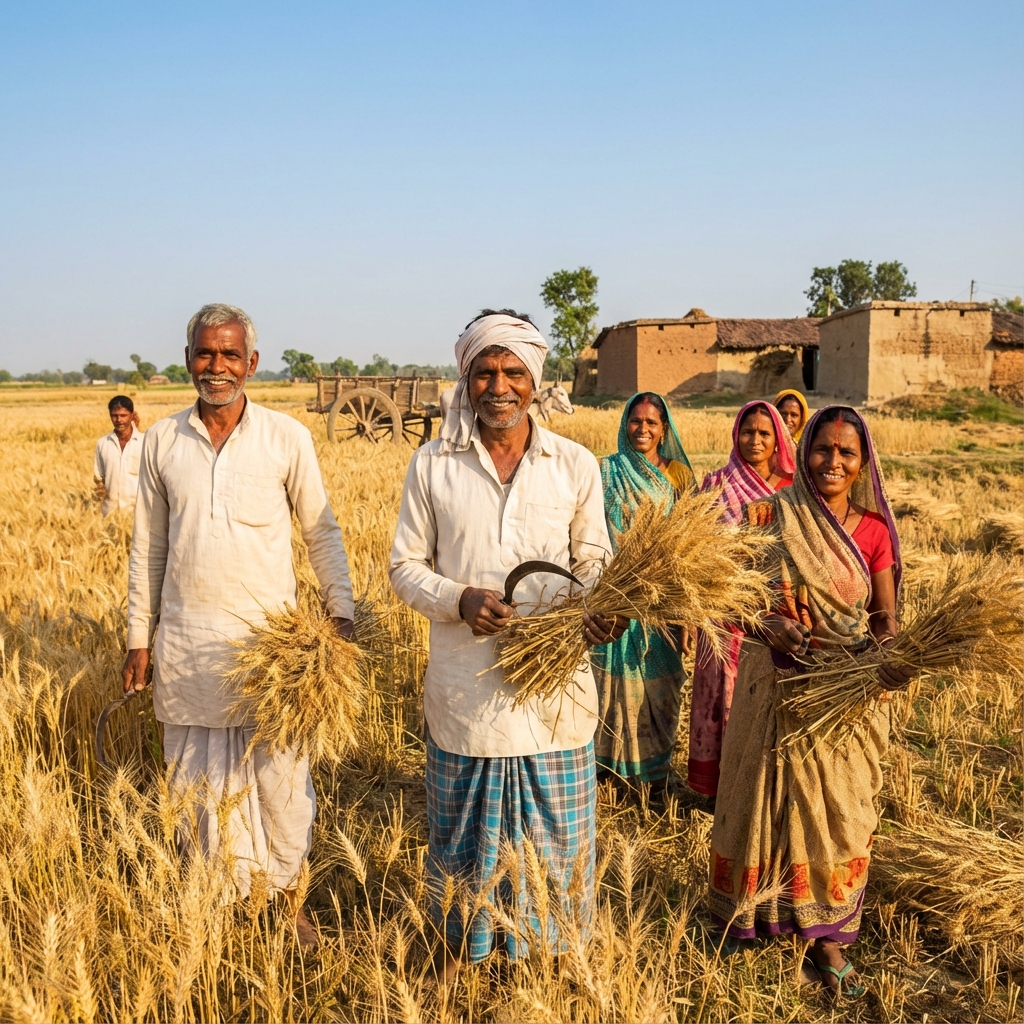
The agricultural sector, which employs about 80% of the workforce, provides irregular income due to:
- Seasonal nature of farming
- Small landholdings (average 0.39 hectares)
- Lack of modern farming techniques
- Dependence on monsoons
Infrastructure Deficits
Bihar's infrastructure needs urgent attention. Power cuts lasting 8-12 hours daily are common in many districts. Roads in rural areas become unusable during monsoon season, cutting off villages from markets and healthcare facilities.
Key infrastructure problems include:
- Unreliable electricity supply affecting both homes and businesses
- Poor road connectivity in rural areas
- Inadequate railway network compared to state's size
- Limited internet and mobile connectivity in remote regions
Education and Skill Gaps
While Bihar has made progress in primary education enrollment, quality remains a concern. Many government schools lack proper teachers, and dropout rates increase significantly after class 8. The skill gap is particularly visible in:
- Technical and vocational training
- English language proficiency
- Computer and digital literacy
- Modern agricultural practices
"Education is the foundation of progress, but in Bihar, we still have children attending classes under trees because school buildings are incomplete." - A teacher from Muzaffarpur district
Healthcare Challenges
Bihar has one of the highest infant mortality rates in India at 38 per 1,000 live births. Healthcare infrastructure is insufficient with only 0.3 hospital beds per 1,000 people. Rural areas face acute shortages of doctors and medical facilities.
Common healthcare issues:
- Malnutrition affecting 48% of children under 5
- Limited access to clean drinking water
- Inadequate maternal healthcare facilities
- High prevalence of diseases like Japanese Encephalitis
Political and Administrative Issues
Governance challenges have historically hindered Bihar's development. Although improvements have been made since 2005, several issues persist:
- Bureaucratic delays in project implementation
- Corruption in government schemes
- Law and order concerns in certain districts
- Limited transparency in resource allocation
Manufacturing Business Ideas in Bihar
Despite challenges, Bihar offers unique opportunities for manufacturing businesses. The state government has introduced various incentives to attract investment, and the large population provides both workforce and market potential.
Food Processing Industry
Bihar is India's largest producer of vegetables and has significant potential in food processing. The state produces:
- 18% of India's total vegetable production
- Large quantities of rice, wheat, and sugarcane
- Fruits like mango, litchi, and banana
Business opportunities include:
- Fruit and vegetable processing units
- Rice mills and flour production
- Dairy processing (Bihar has over 13 million cattle)
- Snack food manufacturing
Textile and Garment Manufacturing
Bihar has a rich tradition in textiles, particularly silk production. The famous Bhagalpur silk and Madhubani textiles have global recognition. Manufacturing opportunities include:
- Silk processing and weaving units
- Ready-made garment manufacturing
- Handloom and handicraft production
- Textile dyeing and printing
Construction Materials
With ongoing infrastructure development and housing schemes, demand for construction materials is growing. Potential businesses include:
- Brick manufacturing (clay is abundant)
- Cement block production
- Steel fabrication units
- Plumbing and electrical fittings
Agricultural Equipment
Given Bihar's agricultural economy, there's significant demand for farming equipment and tools. Business ideas include:
- Tractor and implement manufacturing
- Irrigation equipment production
- Seed processing machinery
- Solar-powered agricultural tools
Indian Economy in Hindi Wikipedia
While this blog post focuses on English content, it's worth noting that Hindi language resources about the Indian economy are crucial for Bihar's development. Many entrepreneurs and students in Bihar prefer Hindi content for better understanding of economic concepts.
Hindi Wikipedia and other Hindi economic resources help in:
- Making economic information accessible to local populations
- Training local entrepreneurs in business concepts
- Spreading financial literacy in rural areas
- Connecting government schemes with beneficiaries
Local language content becomes especially important when discussing topics like cooperative farming, micro-finance, and rural entrepreneurship in Bihar.
Business in Bihar
Current Business Landscape
Bihar's business environment has improved significantly over the past decade. The state has climbed in ease of doing business rankings and offers various incentives for new enterprises.
Key business sectors include:
- Agriculture and allied activities (60% of state GDP)
- Small-scale manufacturing (15% of state GDP)
- Services sector (25% of state GDP)
- Mining (limestone, mica, coal)
Government Initiatives
The Bihar government has launched several schemes to promote business:
- Industrial Investment Promotion Policy 2016
- Startup Bihar initiative
- Single window clearance system
- Land acquisition support for industries
Investment Opportunities
Bihar offers cost advantages and government support that make it attractive for certain types of businesses. Investment opportunities exist in:
- Agro-processing industries
- Information technology services
- Tourism and hospitality
- Renewable energy projects
Bihar Market
Consumer Demographics
Bihar's market characteristics present both opportunities and challenges:
- Large population base of 104 million people
- Young demographic with median age of 19 years
- Growing middle class, especially in urban areas
- Increasing purchasing power due to government employment schemes
Urban vs Rural Markets
The market dynamics differ significantly between urban and rural Bihar:
Urban Markets (Patna, Gaya, Muzaffarpur):
- Higher disposable income
- Demand for branded products
- Growing retail infrastructure
- Increasing adoption of digital payments
Rural Markets:
- Price-sensitive consumers
- Preference for value-for-money products
- Traditional buying patterns
- Cash-based transactions still dominant
Market Trends
Several trends are shaping Bihar's market:
- Increasing smartphone penetration
- Growth in e-commerce adoption
- Rising demand for financial services
- Expanding FMCG market reach
Bihar Employment
Current Employment Scenario
Employment remains a critical challenge in Bihar. While the state has abundant human resources, creating quality jobs has been difficult. Current employment patterns show:
- 81% of workers in unorganized sector
- High dependence on agriculture
- Limited industrial employment opportunities
- Significant migration to other states for work
Major Employment Sectors
Agriculture and Allied Activities:
- Employs nearly 80% of rural workforce
- Seasonal nature creates underemployment
- Low productivity affects income levels
Government Sector:
- Significant employer in urban areas
- Recent recruitment drives have created opportunities
- Competitive examinations attract many aspirants
Small-Scale Industries:
- Handicrafts and handloom sector
- Food processing units
- Repair and maintenance services
Skill Development Initiatives
Bihar has launched several skill development programs:
- Kushal Yuva Program for youth training
- Pradhan Mantri Kaushal Vikas Yojana
- Industry-specific training centers
- Partnership with private training providers
Employment Challenges
Key employment challenges include:
- Mismatch between skills and job requirements
- Limited industrial base
- Inadequate career guidance in rural areas
- Seasonal nature of agricultural employment
"I've seen many talented young people from Bihar working in other states because opportunities are limited here. We need more local job creation." - A job placement officer in Patna
Bihar Business Loan
Financial Infrastructure
Bihar's banking infrastructure has expanded significantly, with increased branch penetration in rural areas. The state now has better access to formal financial services compared to a decade ago.
Types of Business Loans Available
Government Schemes:
- Mudra loans for micro and small enterprises
- Stand-Up India for SC/ST/Women entrepreneurs
- Pradhan Mantri Employment Generation Programme
- Bihar Startup Fund for new ventures
Bank Loans:
- Term loans for machinery and equipment
- Working capital loans for operations
- Agricultural loans for farming activities
- Self-help group lending
Alternative Financing:
- Microfinance institutions
- Non-banking financial companies (NBFCs)
- Cooperative societies
- Private money lenders (though rates are high)
Loan Approval Challenges
Despite improved access, several challenges remain:
- Lengthy documentation process
- Requirement for collateral security
- Limited understanding of loan procedures
- High rejection rates for first-time borrowers
Success Stories
I've come across several successful loan recipients in Bihar:
- A woman in Madhubani who started a tailoring unit with a ₹50,000 Mudra loan
- A farmer in Rohtas who expanded his dairy business with bank financing
- A youth in Patna who launched a food delivery service with startup funding
Tips for Loan Applications
Based on interactions with successful borrowers, here are practical tips:
- Prepare detailed business plans
- Maintain good credit history
- Approach multiple lenders for best rates
- Seek guidance from local business development centers
- Consider group lending options for better success rates
Conclusion
Bihar stands at a crossroads where its challenges can be transformed into opportunities with the right approach. While problems like poverty, infrastructure gaps, and unemployment are real, the state's large market, government support, and growing business ecosystem provide hope. Success in Bihar requires patience, local understanding, and commitment to working with communities. For entrepreneurs willing to engage with these realities, Bihar offers a chance to build profitable businesses while contributing to meaningful social change.